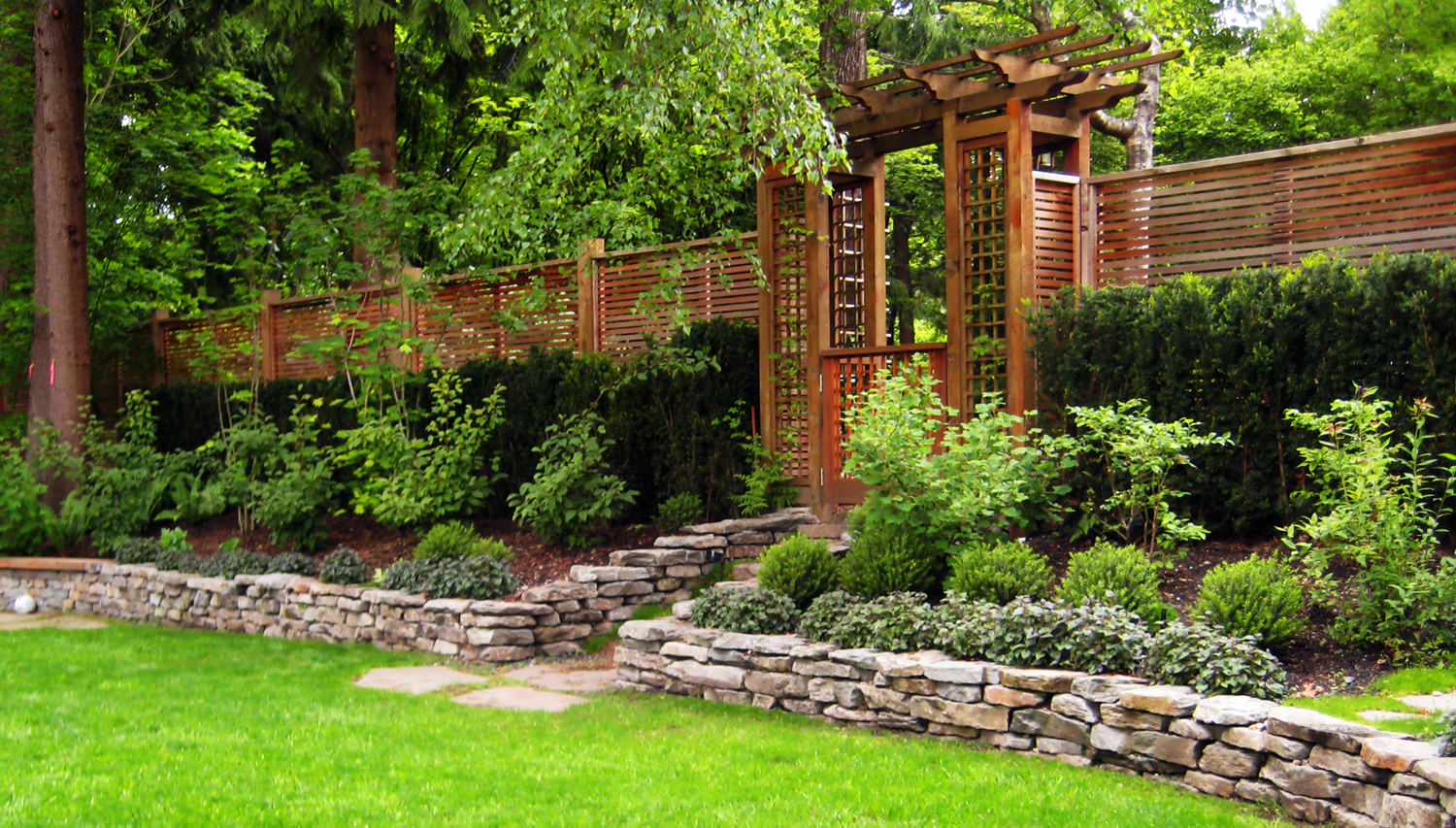
Deer Fence Nj: A Thorough Guide for Local Property Owners
New Jersey property owners often face the challenge of protecting their gardens and landscapes from deer, which can wreak havoc on carefully curated plants and flowers. As deer populations increase in suburban areas, implementing effective solutions becomes crucial for preserving your garden’s integrity. This guide will explore various deer fence solutions, help you choose the right type for your landscape, discuss key installation considerations, and offer maintenance tips for long-lasting protection. By the end, you’ll have a comprehensive understanding of how to safeguard your garden with the right deer fencing strategies.
Deer Fence Solutions for New Jersey Property Owners
In New Jersey, Deer Fence Nj are a popular choice for homeowners looking to protect their landscaping investments. A well-designed fence not only keeps deer out but also integrates seamlessly into the landscape architecture. For example, a fence can be part of a larger permaculture design, ensuring it complements the natural contours of the land while providing necessary protection. Additionally, fences can be combined with other gardening techniques like xeriscaping or soil amendment to enhance garden resilience against pests and environmental stressors.
When considering a deer fence, it’s important to evaluate local regulations. Municipal codes in some areas may dictate fence height and materials, restricting certain types that might otherwise be effective. Understanding these regulations ensures compliance and avoids unnecessary fines. For instance, New Jersey guidelines often recommend a minimum height of eight feet to effectively deter deer, as they are known to jump over shorter barriers.
For property owners interested in advanced ecological solutions, integrating deer fences with green waste recycling methods can enhance garden sustainability. By using recycled materials, the fence becomes part of a broader ecological initiative, reducing environmental impact while maintaining effectiveness.
Choosing the Right Type of Deer Fence for Your Landscape
Selecting the appropriate deer fence involves considering various factors, including the landscape’s plant hardiness zone and existing hardscaping elements. A well-chosen fence should not only deter deer but also complement the garden’s aesthetic and functional needs. For example, a fence made of natural materials can blend well with existing hardscaping features, creating a cohesive look that doesn’t disrupt the overall design.
Different types of fencing materials offer varying levels of protection. Wire mesh fences are a common choice due to their durability and effectiveness. They are particularly suitable for areas with a high deer population and can be easily integrated into an integrated pest management (IPM) strategy. In contrast, electric fences provide a more temporary solution and might be suitable for smaller gardens where visual impact is a concern.
Additionally, considering the seasonal planting calendar in your region can help determine the best time to install a fence. Installing during the off-season can minimize disruption to plant growth and ensure that the fence is ready before peak deer activity. For more detailed advice, consult local experts who can provide insights specific to your area.
Installation Considerations for Effective Deer Fencing
Successful installation of a deer fence requires careful planning and attention to detail. Begin by assessing the terrain and identifying any obstacles that might affect fence placement. Consider using a propagation station to nurture plants that may be temporarily displaced during installation, ensuring their survival and continued growth.
For those keen on minimizing environmental impact, integrating the fence with existing drip irrigation systems can be beneficial. This ensures that water resources are used efficiently, promoting healthy plant growth while maintaining a barrier against deer intrusion.
Another consideration is the choice of materials. Opt for weather-resistant options that can withstand local climate conditions and require minimal maintenance. When planning your installation, consulting with professionals who specialize in arboriculture can provide valuable insights into how the fence can protect tree lines and other valuable landscape features.
Maintaining Your Deer Fence for Long-Lasting Protection
Once installed, maintaining your deer fence is crucial for ensuring its long-term effectiveness. Regular inspections can help identify any damage or wear that might compromise its integrity. Common issues include weather-induced wear or damage from fallen branches during storms. Prompt repairs will prevent deer from exploiting weaknesses in the barrier.
Incorporating a soil microbiome analysis into your maintenance routine can also be beneficial. Healthy soil supports robust plant growth, which can naturally deter deer by reducing their access to preferred food sources. Regular soil checks can inform decisions about necessary amendments or adjustments to your gardening strategy.
Finally, it’s important to adapt your maintenance approach to seasonal changes. Adjusting tension and height as needed can accommodate shifts in ground levels due to frost or other environmental factors. For more comprehensive advice, consider engaging local services that specialize in landscape maintenance and deer management.
Conclusion
Effective deer fencing is a vital strategy for New Jersey property owners seeking to protect their gardens from deer damage. By selecting the right type of fence, considering installation nuances, and committing to regular maintenance, you can ensure your landscape thrives without interference. For those in North Jersey, exploring Deer Fence Nj options can provide tailored solutions suited to local conditions, offering peace of mind and preserving the beauty of your outdoor spaces.