Space-Saving Ideas for Small Homes
Living in a small home comes with its own set of challenges. Limited square footage means you have to be strategic with every corner, shelf, and storage space. But small spaces don’t have to feel cramped or cluttered. With thoughtful planning and creative solutions, you can make your home feel larger, more functional, and even stylish. Here’s a guide to the best space-saving ideas for small homes.
1. Maximize Vertical Space
One of the most effective ways to save space is to think vertically. Walls offer a lot of untapped potential. Installing shelves, hooks, and cabinets that go up to the ceiling allows you to store more without taking up precious floor space.
- Floating Shelves: These are perfect for books, decorative items, or kitchen essentials. They keep things off the floor while adding a modern touch to your home.
- Tall Cabinets: In kitchens or bathrooms, tall cabinets make the most of vertical space, providing storage for items that are rarely used but still need a place.
- Hanging Racks: In small kitchens, consider hanging pots and pans from the ceiling or under cabinets to free up counter space.
By using vertical space effectively, you can reduce clutter and make your home feel more open.
2. Multi-Functional Furniture
Furniture that serves more than one purpose is a lifesaver in small homes. These pieces help you maintain comfort and functionality without overcrowding your rooms.
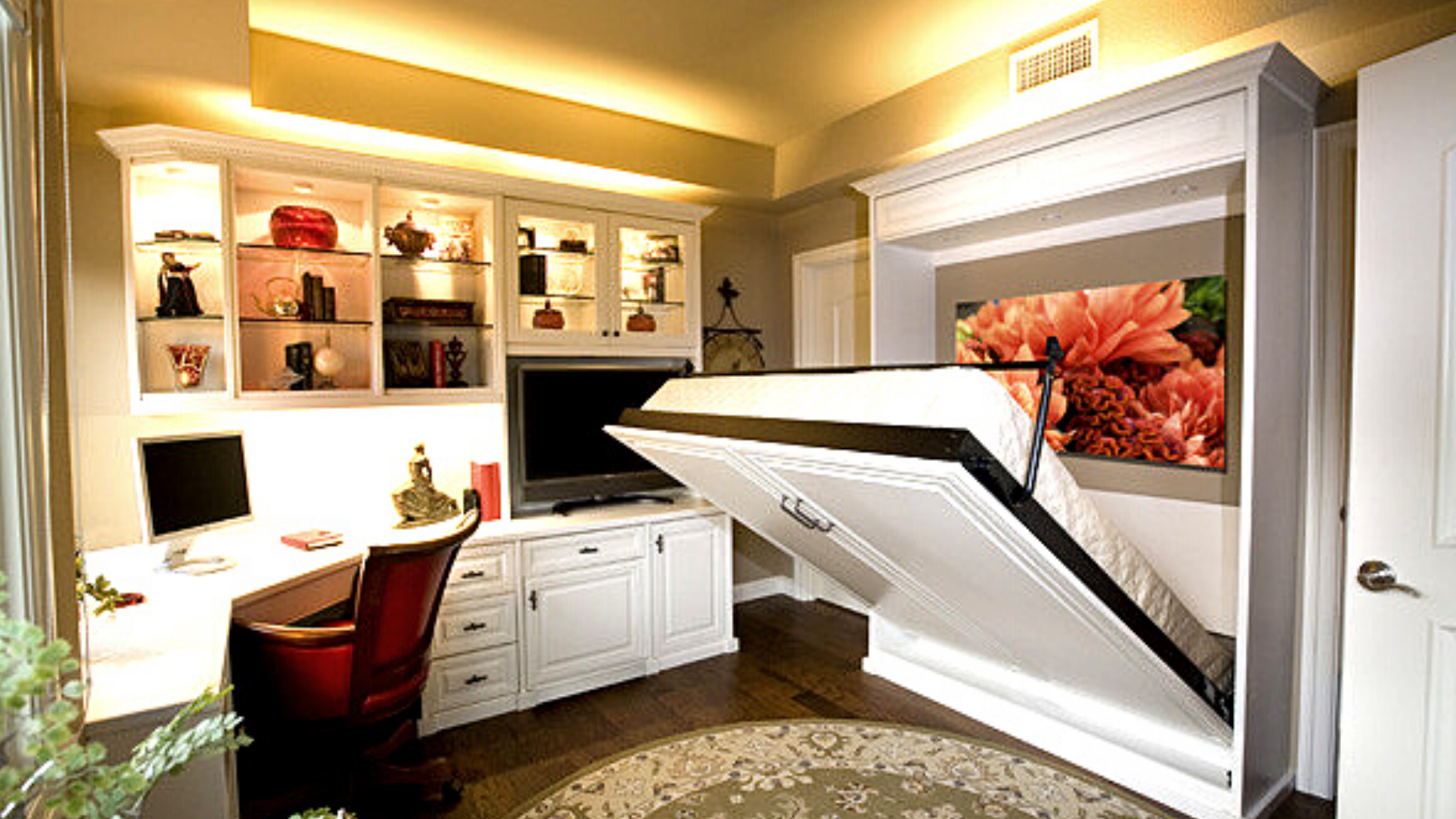
- Sofa Beds and Murphy Beds: Perfect for guest rooms or studio apartments, these beds fold away when not in use, freeing up space for daily activities.
- Storage Ottomans and Benches: These double as seating and storage. They can hide blankets, shoes, or toys while adding a cozy element to your living area.
- Foldable Tables: Ideal for dining or working, foldable tables can be tucked away when not needed, keeping floors clear.
Investing in multi-functional furniture not only saves space but also keeps your home organized and clutter-free.
3. Creative Storage Solutions
In small homes, storage is always a priority. But instead of relying solely on bulky cabinets, think creatively about where and how you store items.
- Under-Bed Storage: Use rolling bins, drawers, or vacuum-sealed bags under your bed to store clothes, bedding, or seasonal items.
- Behind-the-Door Organizers: Hang racks or pockets behind doors for shoes, cleaning supplies, or accessories.
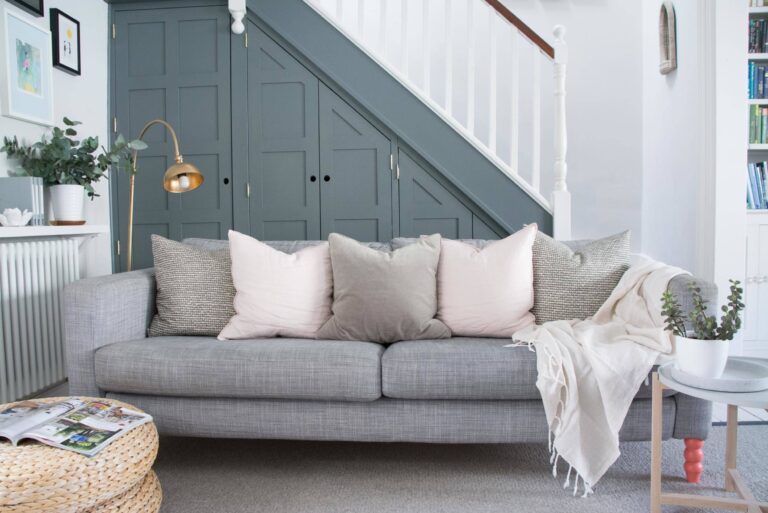
- Built-In Storage: Custom built-ins like stair drawers or window seats with storage can make use of otherwise wasted space.
Even small nooks and crannies can become functional storage areas with a bit of imagination.
4. Open Floor Plans
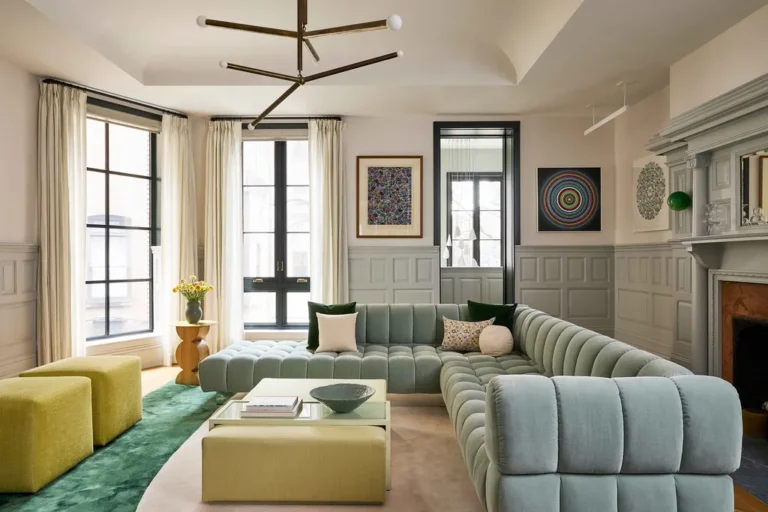
Open floor plans can make a small home feel significantly larger by reducing visual barriers. Removing unnecessary walls or using furniture to delineate spaces helps create an airy, spacious feeling.
- Combining Living and Dining Areas: A single multi-functional space can accommodate both activities without feeling crowded.
- Glass Partitions: If you need to separate spaces, glass walls or doors maintain an open feel while providing privacy.
- Minimalist Furniture Arrangement: Avoid overcrowding your rooms with too many pieces. Choose furniture that complements the open layout.
A well-designed open floor plan enhances light, flow, and functionality in a small home.
5. Use Mirrors to Create the Illusion of Space
Mirrors are a classic trick to make a room feel bigger. They reflect light and give the illusion of depth, which can make a small space appear more expansive.
- Full-Length Mirrors: Place them opposite windows to amplify natural light.
- Mirrored Cabinets or Backsplashes: In kitchens or bathrooms, reflective surfaces add brightness and depth.
- Decorative Mirror Walls: A statement mirror wall can be both functional and visually striking.
By strategically placing mirrors, you can create the perception of a larger, more open home.
6. Light Colors and Smart Lighting
Color and lighting play a crucial role in small spaces. Dark walls or poor lighting can make a small home feel cramped and gloomy.
- Light, Neutral Colors: Whites, creams, and pastels reflect light and make spaces feel airy and open.
- Layered Lighting: Use a combination of ceiling lights, wall sconces, and floor lamps to illuminate every corner.
- Natural Light: Maximize window space and avoid heavy curtains. Sheer or light-filtering blinds let sunlight fill your rooms.
A bright, well-lit space always feels more inviting and larger than it actually is.
7. Declutter and Organize
A small home cannot accommodate unnecessary clutter. Regularly decluttering and keeping only what you truly need is essential for maintaining a functional space.
- KonMari Method: Focus on items that “spark joy” and let go of the rest.
- Daily Organization: Spend a few minutes each day tidying up to prevent messes from accumulating.
- Smart Storage Solutions: Combine decluttering with hidden storage to keep surfaces clean and maintain a sense of openness.
An organized home feels more spacious, calming, and functional.
8. Sliding Doors Instead of Hinged Doors
In small homes, doors that swing open can take up valuable floor space. Sliding doors, barn doors, or pocket doors are excellent alternatives.
- Bedroom and Bathroom Doors: Sliding doors allow more usable space for furniture placement.
- Closet Doors: Sliding or mirrored closet doors combine space-saving with functionality.
- Room Dividers: Sliding panels can replace walls for flexible room arrangements.
These small architectural changes can make a big difference in space efficiency.
9. Smart Kitchen and Bathroom Designs
Kitchens and bathrooms are often the trickiest spaces to manage in a small home. Smart design can help maximize both storage and functionality.
- Compact Appliances: Look for smaller or multi-purpose appliances that fit your space without compromising performance.
- Vertical Storage in Bathrooms: Stack towels and toiletries on shelves or hang items on hooks.
- Pull-Out Cabinets and Lazy Susans: Make deep cabinets more accessible and maximize every inch of space.
Efficient design in kitchens and bathrooms ensures these essential spaces remain practical and uncluttered.
10. Outdoor Space Utilization
Even if your home is small, outdoor areas like balconies, patios, or small yards can expand your living space.
- Vertical Gardens: Grow plants on walls to save ground space while creating a green, serene environment.
- Foldable Outdoor Furniture: Perfect for small balconies, foldable chairs and tables can be stored when not in use.
- Storage Benches: Outdoor benches with hidden storage can house gardening tools or cushions.
A well-utilized outdoor space adds both functionality and charm to a small home.
Final Thoughts
Living in a small home doesn’t have to mean sacrificing comfort or style. By thinking creatively, using vertical space, investing in multi-functional furniture, and maintaining organization, you can transform a small living area into a cozy, efficient, and inviting space.
Every inch matters in a small home, and with these space-saving ideas, you can maximize your living environment, reduce clutter, and make your home feel larger than it really is. Remember, the key is to combine functionality with aesthetics — after all, a small home can still be a big sanctuary.