Common Home Repair Problems and Solutions
Owning a home comes with a sense of pride, comfort, and security. However, it also brings responsibilities, particularly in maintaining your property. Even the most well-kept homes experience wear and tear over time, leading to issues that, if left unaddressed, can escalate into costly repairs. Understanding the common home repair problems and knowing effective solutions can save homeowners both time and money. This guide covers some of the most frequently encountered issues and practical ways to tackle them.
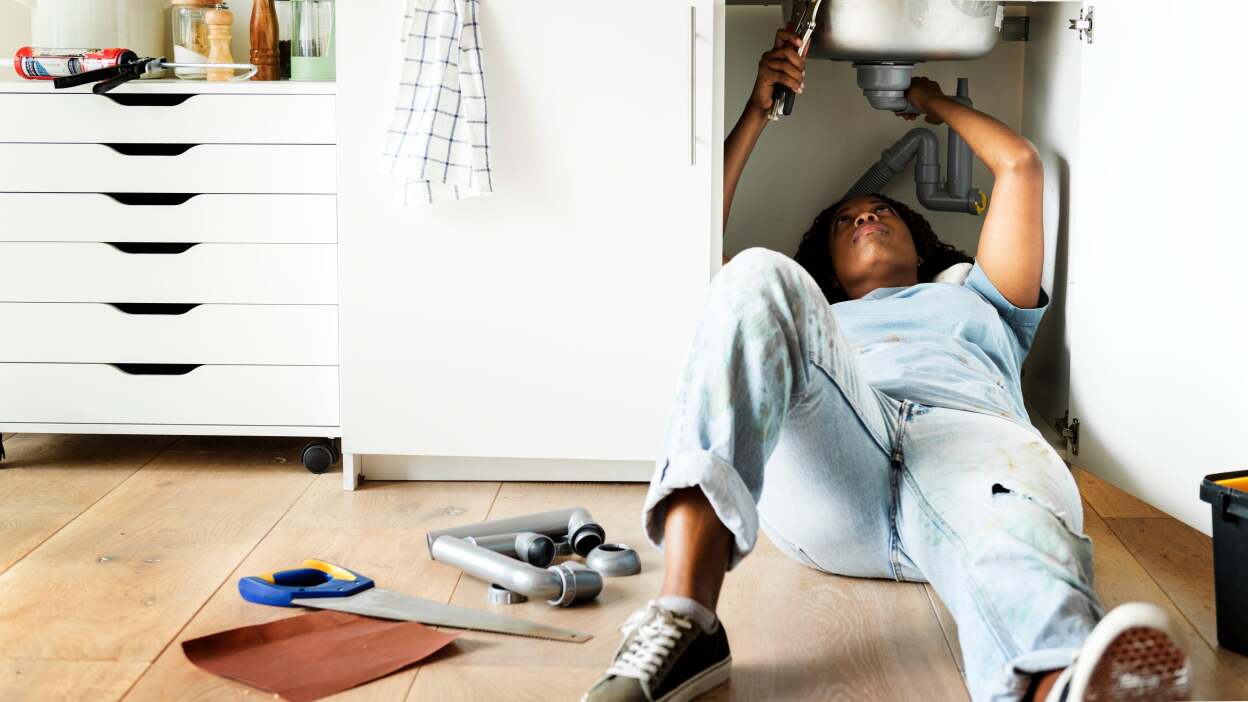
1. Leaky Faucets and Plumbing Issues
A dripping faucet may seem minor, but over time, it can waste gallons of water and increase your utility bills. Beyond annoyance, persistent leaks can lead to water damage, mold growth, and corrosion in your pipes.
Causes:
- Worn-out washers or gaskets
- Loose plumbing connections
- Corroded pipes
Solutions:
- Tighten fittings: Often, the leak is due to loose nuts or connections that can be tightened with a wrench.
- Replace washers or cartridges: This is usually inexpensive and straightforward. Turn off the water supply before attempting repairs.
- Check for corrosion: If pipes are corroded or damaged, replacing the affected section is necessary.
Regularly inspecting faucets and pipes can prevent leaks from becoming a bigger problem. Homeowners should also know where the main water shutoff valve is to avoid flooding emergencies.
2. Electrical Problems
Electrical issues are not only inconvenient but can also be dangerous. Common problems include flickering lights, tripped breakers, and outlets that don’t work.
Causes:
- Overloaded circuits
- Faulty wiring
- Aging electrical panels
Solutions:
- Reset breakers: If a breaker trips, it might simply need to be reset.
- Replace outlets or switches: Loose connections can cause outlets to stop working.
- Upgrade your panel: Older homes may require electrical panel upgrades to handle modern energy demands.
For safety reasons, homeowners should always hire a licensed electrician for any major electrical repairs. Attempting complex fixes without expertise can result in injury or fire hazards.
3. Clogged Drains
Clogged sinks, showers, or toilets are common nuisances. Slow drainage not only disrupts daily routines but can also cause backups and water damage.
Causes:
- Hair and soap buildup in bathroom drains
- Grease or food particles in kitchen sinks
- Objects flushed down the toilet
Solutions:
- Use a plunger or drain snake: Many blockages can be cleared without professional help.
- Enzyme-based drain cleaners: These products break down organic materials without harming pipes.
- Regular maintenance: Avoid flushing non-degradable items and routinely clean drains to prevent buildup.
Being proactive about drain maintenance can save significant hassle later. Simple habits like using a strainer in sinks and not pouring grease down the drain can make a huge difference.
4. Roof Leaks
A leaking roof can be catastrophic, leading to water damage, mold growth, and structural deterioration. Detecting and fixing roof problems early is crucial.
Causes:
- Missing or damaged shingles
- Poorly sealed flashing
- Clogged gutters leading to water backup
Solutions:
- Inspect regularly: Check for damaged or missing shingles, especially after storms.
- Repair flashing: Seal gaps around chimneys, vents, and skylights to prevent leaks.
- Clean gutters: Ensure gutters and downspouts are free of debris to allow proper water flow.
For significant roof damage, hiring a professional roofer ensures repairs are done safely and effectively. Regular inspections can help catch small issues before they become expensive problems.
5. Cracked Walls and Foundation Issues
Cracks in walls or foundations can be a sign of settling, water damage, or more serious structural problems. While minor cracks are often cosmetic, large or growing cracks need attention.
Causes:
- Natural settling of the home
- Soil movement or erosion
- Water infiltration weakening the foundation
Solutions:
- Fill minor cracks: Use caulk or plaster to repair small cracks in walls.
- Monitor for changes: Track the size of cracks over time to identify worsening problems.
- Foundation repair: Large cracks or structural shifts may require professional assessment and repair, possibly including underpinning or water management solutions.
Ignoring foundation issues can compromise the safety of your home. It’s always better to address concerns early with professional guidance.
6. HVAC System Problems
Heating, ventilation, and air conditioning (HVAC) systems are vital for comfort, but they require maintenance. Common problems include uneven heating, strange noises, or a complete breakdown.
Causes:
- Dirty filters
- Low refrigerant levels
- Mechanical wear and tear
Solutions:
- Regular maintenance: Change filters every 1–3 months and schedule professional inspections.
- Clean ducts: Dust buildup in ducts can reduce efficiency and air quality.
- Repair or replace: If your system is old, replacing it with a modern, energy-efficient unit may save more money in the long run.
Routine care of HVAC systems prevents emergency breakdowns and improves energy efficiency.
7. Pest Infestations
Uninvited guests like ants, termites, and rodents can damage your home and pose health risks. Early detection is key to preventing widespread infestations.
Causes:
- Poor sanitation or leftover food
- Entry points like cracks, gaps, and holes
- Moist environments that attract pests
Solutions:
- Seal entry points: Caulk gaps around windows, doors, and foundations.
- Maintain cleanliness: Keep kitchens and storage areas clean and dry.
- Use traps and treatments: Depending on the pest, traps, baits, or professional extermination may be necessary.
Preventative measures, such as regular inspections and proper waste management, reduce the likelihood of infestations.
8. Flooring Issues
Flooring can experience damage from water, heavy foot traffic, or poor installation. Problems range from squeaky floors to warped wood and cracked tiles.
Causes:
- Moisture exposure
- Settling of the subfloor
- Wear and tear
Solutions:
- Repair minor damage: Replace individual tiles or boards if damaged.
- Refinish hardwood: Sanding and refinishing can restore worn wood floors.
- Address moisture: Ensure proper ventilation and fix leaks promptly to prevent future issues.
Proper installation and periodic maintenance prolong the life of flooring and keep it looking attractive.
9. Door and Window Problems
Doors and windows can become difficult to open or close, drafty, or leaky. These issues affect comfort, energy efficiency, and security.
Causes:
- Warping due to moisture
- Settling of the house
- Broken seals or hardware
Solutions:
- Adjust hinges or tracks: Tightening screws or realigning components can fix many operational problems.
- Replace weatherstripping: Improves insulation and reduces drafts.
- Seal gaps: Caulking around frames prevents water intrusion and air leaks.
Maintaining doors and windows not only improves comfort but can also reduce energy bills.
10. Painting and Cosmetic Repairs
Aesthetic issues, while not structurally critical, affect your home’s appearance and value. Peeling paint, stained walls, or worn trim can make a home feel neglected.
Causes:
- Moisture or water damage
- Poor initial painting or preparation
- Aging materials
Solutions:
- Prep surfaces properly: Clean, sand, and prime before painting.
- Use quality materials: Good paint and brushes yield long-lasting results.
- Address underlying issues: Fix leaks or mold before repainting to avoid recurring problems.
Regular cosmetic maintenance helps keep your home looking fresh and inviting.
Final Thoughts
Homeownership is both rewarding and challenging. While minor repairs are part of the experience, being proactive about maintenance prevents bigger, more expensive problems down the line. From leaky faucets to foundation issues, understanding common home repair problems and their solutions empowers homeowners to protect their investment.
Regular inspections, timely fixes, and occasional professional assistance ensure your home remains safe, comfortable, and visually appealing for years to come. Taking action early and maintaining a hands-on approach to home care can transform reactive repair work into a manageable, satisfying routine.