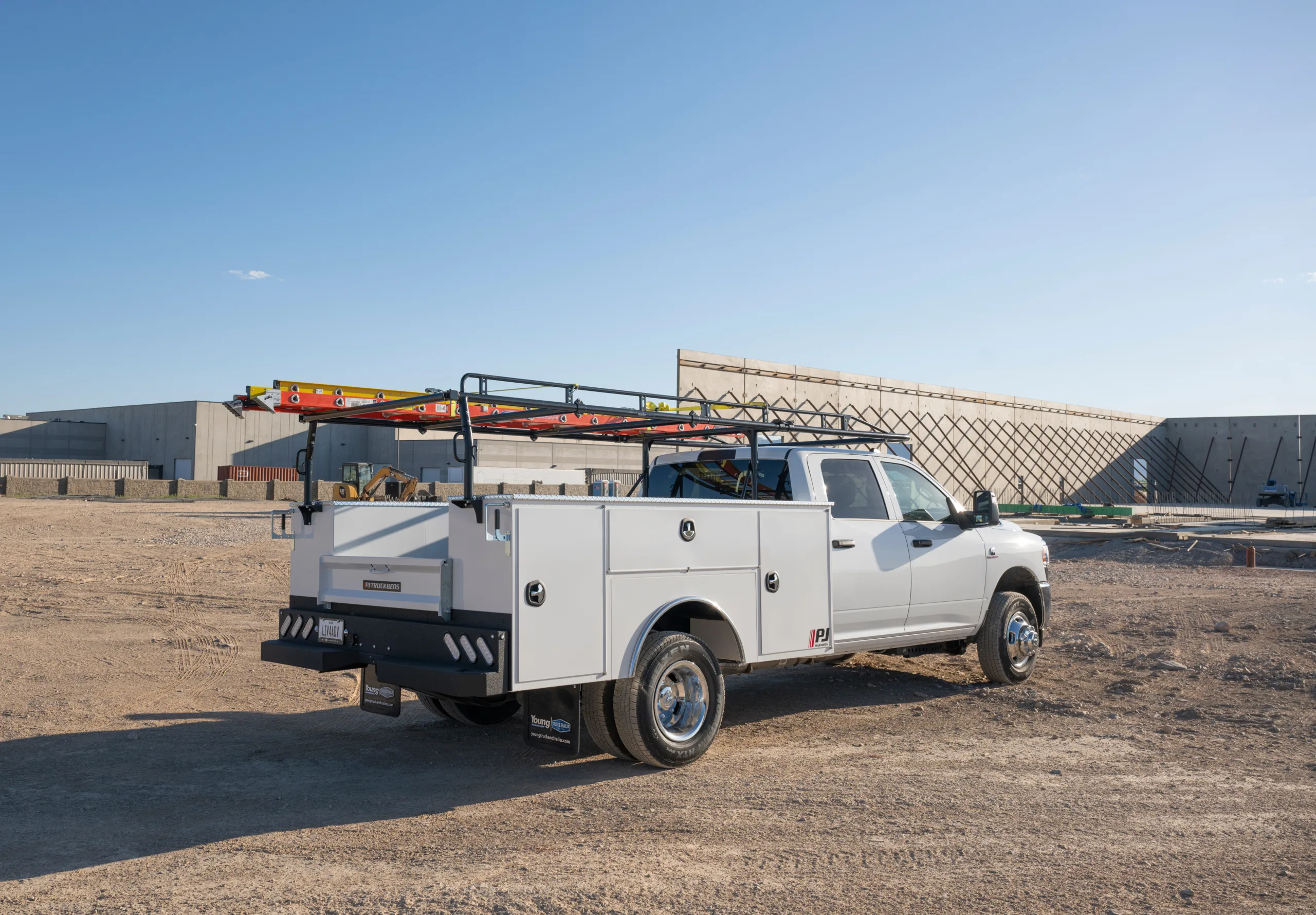
Popular Aluminum Truck Bed Benefits That Enhance Worksite Productivity — 5 Key Factors
In the automotive and construction sectors, productivity is often linked to the efficiency and reliability of the tools and equipment in use. For those who rely on trucks, the bed is a critical component that directly influences operational efficiency. Aluminum truck beds have gained popularity due to their numerous advantages over traditional steel options. This article will explore how features like durability, customization, and cost-effectiveness make aluminum truck beds a superior choice for enhancing worksite productivity.
Popular Aluminum Truck Bed Features for Enhanced Worksite Efficiency
One of the standout features of aluminum truck beds is their load-bearing capacity. Unlike traditional materials, aluminum offers a high strength-to-weight ratio, allowing trucks to carry more without compromising safety. This capability is crucial in construction projects where transporting heavy materials is routine. Additionally, aluminum truck beds are resistant to corrosion, which means they maintain their integrity and appearance even after years of exposure to harsh weather conditions often encountered on construction sites. Moreover, understanding the Aluminum Truck Bed Benefits can further highlight their advantages.
Incorporating vehicle telematics into aluminum truck beds can further boost productivity. Telematics systems provide real-time data on truck location, usage, and load, helping project managers optimize logistics and reduce downtime. According to a recent report by Construction Dive, the integration of telematics has improved fleet management efficiency by up to 25% for some companies.
Durability and Weight Advantage in Aluminum Truck Beds
The durability of aluminum truck beds is a significant factor contributing to their popularity. Aluminum is inherently resistant to rust and corrosion, unlike steel, which requires regular maintenance to prevent decay. This durability ensures a longer lifespan and reduces the frequency of replacements. Moreover, the lighter weight of aluminum compared to steel improves fuel efficiency. A lighter truck bed translates to less strain on the vehicle’s fuel injection system, leading to cost savings over time.
Moreover, the reduction in weight does not compromise the structural integrity of the truck bed. The material’s ability to withstand significant wear and tear without adding extra weight is a testament to its engineering. This aspect is particularly beneficial in construction, where trucks often navigate rugged terrain and carry substantial loads. The reduced weight also enhances the vehicle’s torque specification, allowing for better maneuverability and performance.
Customization Options that Boost Functionality
Aluminum truck beds offer extensive customization options, which can be tailored to meet specific needs in automotive and construction applications. With the aid of CAD (Computer-Aided Design) software, manufacturers can design truck beds that include specialized compartments and tool mounts. These customizations are vital for professionals who require organized storage and easy access to tools and materials on a worksite.
Numerous construction teams have adopted lean construction methodology, which emphasizes waste reduction and efficiency. Customized aluminum truck beds align with this methodology by providing precise solutions that reduce time spent searching for tools and materials. The flexibility in design also means that additional features like vibration isolators can be incorporated, protecting sensitive equipment from damage during transit.
Cost-Effectiveness and Long-Term Investment Benefits
While the initial cost of aluminum truck beds may be higher than that of steel options, the long-term benefits make them a worthwhile investment. The reduced need for maintenance, thanks to aluminum’s corrosion resistance, results in lower overall costs. Moreover, the enhanced fuel efficiency due to the lighter weight contributes to ongoing savings.
Furthermore, the resale value of trucks equipped with aluminum beds is generally higher. The durability and aesthetic appeal of aluminum remain intact over time, making these vehicles more attractive in the secondary market. The Fleet Owner publication highlights that vehicles with aluminum components often see a 10-15% increase in resale value compared to those with steel counterparts. These Aluminum Truck Bed Benefits demonstrate a clear advantage in terms of total cost of ownership.
Conclusion
Aluminum truck beds offer significant advantages for improving worksite productivity in the automotive and construction industries. From their exceptional durability and lightweight nature to their customizable designs and cost-effectiveness, these features collectively enhance operational efficiency. For professionals in these fields, investing in aluminum truck beds can lead to improved performance and long-term financial benefits, making them an essential component in modern construction and automotive applications.