Square Tiles vs Rectangular Tiles: Which Shape Suits Your Style?
When embarking on an interior design or home improvement project, choosing the right tile shape is crucial for achieving your desired aesthetic and functionality. Tiles play a significant role in defining a space’s character, so selecting between square and rectangular shapes can impact the overall design. This article explores the distinctive qualities of square and rectangular tiles, examining their versatility, aesthetics, and maintenance needs. By understanding these factors, you can make an informed decision that aligns perfectly with your style and space requirements.
Square Tiles: Versatile and Timeless Choices
Square Tiles have long been a staple in interior design due to their timeless appeal. These tiles typically come in various sizes, but the 4×4 inch size is particularly popular for its ease of installation and balanced proportions. Square Tiles are often featured in mood boards, where designers experiment with different color combinations and textures to create a harmonious design. Their uniform shape allows for seamless integration into any design theme, whether traditional or contemporary.
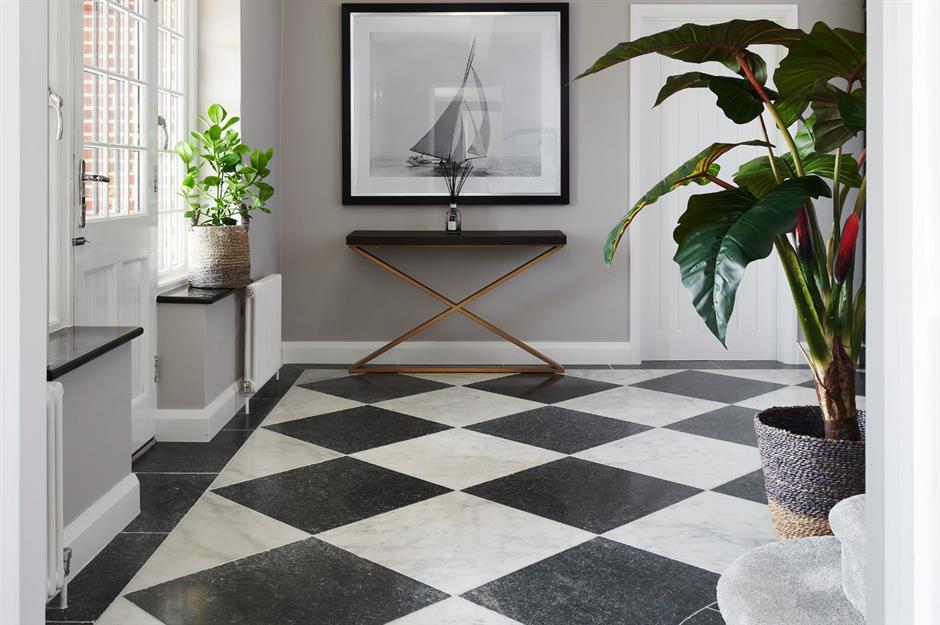
One of the key advantages of Square Tiles is their ability to complement a wide range of design elements. For instance, they can be paired with intricate latticework or bold color renderings to enhance visual interest. Additionally, the consistent arrangement of Square Tiles makes them an ideal choice for creating symmetrical patterns or checkerboard effects, adding depth and dimension to the space. Explore a variety of Square Tiles to find the perfect match for your project.
Rectangular Tiles: Modern Aesthetics and Unique Patterns
Rectangular tiles have gained popularity in recent years, offering a modern and sleek aesthetic that appeals to contemporary design sensibilities. These tiles are often used to create striking patterns, such as herringbone or chevron, which can add a dynamic element to any room. During the design development phase, designers often use CAD (Computer-Aided Design) software to visualize how these patterns will look in the finished space.
The elongated shape of rectangular tiles can also make a room appear larger by drawing the eye along their length. This optical illusion is particularly beneficial in smaller spaces, such as bathrooms or narrow hallways, where maximizing perceived space is essential. Furthermore, rectangular tiles can be used to create a sense of flow in open-plan areas by aligning them with the room’s architectural lines.
Comparing Durability and Maintenance of Tile Shapes
When considering tile shapes, durability and maintenance are important factors that can influence your decision. Both square and rectangular tiles are generally made from durable materials, such as ceramic or porcelain, which are known for their longevity. However, the arrangement and pattern of tiles can affect their maintenance needs.
Square Tiles, with their uniform shape, often require less intricate grout work compared to the complex patterns associated with rectangular tiles. This simplicity can make them easier to clean and maintain over time. On the other hand, rectangular tiles, when used in intricate patterns, may present more grout lines that can trap dirt and require more frequent maintenance. A detailed specification sheet can help you understand the maintenance requirements of different tile shapes and materials.
Choosing the Right Tile Shape for Your Space and Style
When selecting the right tile shape for your space, it’s essential to consider both aesthetic preferences and functional needs. Conducting a thorough site analysis will help you determine which tile shape is best suited for your specific environment. For example, if your goal is to create a timeless and symmetrical look, Square Tiles might be the ideal choice. Conversely, if you aim to infuse your space with modern flair and dynamic patterns, rectangular tiles could be more appropriate.
Additionally, consider how the tile shape will interact with other elements in the room, such as FF&E (Furniture, Fixtures & Equipment). The tile shape should complement the overall design charette, ensuring that all components work together cohesively. Whether you choose square or rectangular tiles, ensure that they align with your style vision and enhance the space’s overall functionality.
Conclusion
Understanding the unique characteristics of square and rectangular tiles allows you to make an informed choice that reflects your personal style and meets your design needs. Square Tiles offer timeless versatility, while rectangular tiles provide modern aesthetics and unique pattern possibilities. Consider the impact of tile shape on durability and maintenance, and how it aligns with your space’s requirements. By selecting the right tile shape, you can elevate your interior design project, creating a space that is both beautiful and functional.